
The Environmental Impact of Rodents in Los Angeles and How to Combat It
Rodents are often viewed through the lens of nuisances or pests, especially in urban areas like Los Angeles. However, their presence extends beyond mere annoyance; they pose significant environmental risks that can affect both public health and local ecosystems. Understanding these impacts is essential for residents and policymakers alike, particularly when considering the best methods to manage rodent populations effectively.
The Ecological Footprint of Rodent Populations
Los Angeles, with its diverse habitats ranging from urban landscapes to coastal areas, provides a unique environment for various rodent species, such as rats and mice. These animals can have detrimental effects on both the local ecosystem and human health. They contribute to soil degradation, water contamination, and the spread of best rodent control company LA diseases.
One of the most concerning aspects of rodent infestations is their impact on native wildlife. As opportunistic feeders, rodents can disrupt food chains by consuming seeds and young plants crucial for the survival of local flora. This not only diminishes biodiversity but also leads to a decline in populations of other animal species that rely on these plants for sustenance.
Additionally, rodents are notorious carriers of pathogens. In Los Angeles, they have been linked to diseases such Los Angeles rodent services as hantavirus pulmonary syndrome and leptospirosis. These illnesses can be transmitted to humans through contact with rodent droppings or urine, presenting a public health risk that cannot be ignored.
The Urban-Rural Divide
The interaction between urban and rural environments in Los Angeles complicates rodent control efforts. Urban areas tend to have higher concentrations of food waste and shelter opportunities for rodents, creating perfect breeding conditions. Conversely, rural areas may experience rodent problems due to agricultural practices that provide food sources for these pests.
In neighborhoods where green spaces exist alongside residential areas, the overlap can lead to increased rodent activity. Parks often provide both food resources and nesting sites. Therefore, it’s vital for community leaders to consider integrated pest management strategies that address both urban settings and adjacent natural landscapes.
Effective Rodent Control: A Holistic Approach
Addressing the environmental impact of rodents requires more than just traditional extermination methods; it calls for a comprehensive strategy that includes sanitation measures, habitat modification, and rodent control services Los Angeles CA community education.
Sanitation plays a critical role in preventing rodent infestations. Proper waste management practices should be implemented across all neighborhoods. Residents should ensure trash bins are sealed tightly and not left out overnight. Additionally, pet food should not be left outside, as it can attract rodents looking for an easy meal.
Habitat modification is equally important. By removing potential nesting sites—such as piles of debris or dense vegetation close to homes—residents can significantly reduce the likelihood of rodent activity near their properties. Furthermore, sealing entry points into homes (like cracks around doors or windows) can act as an effective barrier against unwanted guests.
Community education is essential in reinforcing these practices. Workshops held by local government agencies or pest control companies can empower residents with knowledge about how to minimize attractants around their homes while understanding the broader implications of unmonitored rodent populations.
The Role of Professional Pest Control Services
While individual efforts play a crucial part in combating rodent issues locally, enlisting professional help from companies specializing in pest control services near me adds another layer of effectiveness to these strategies. Many residents may underestimate the complexity involved in eradicating established rodent populations.
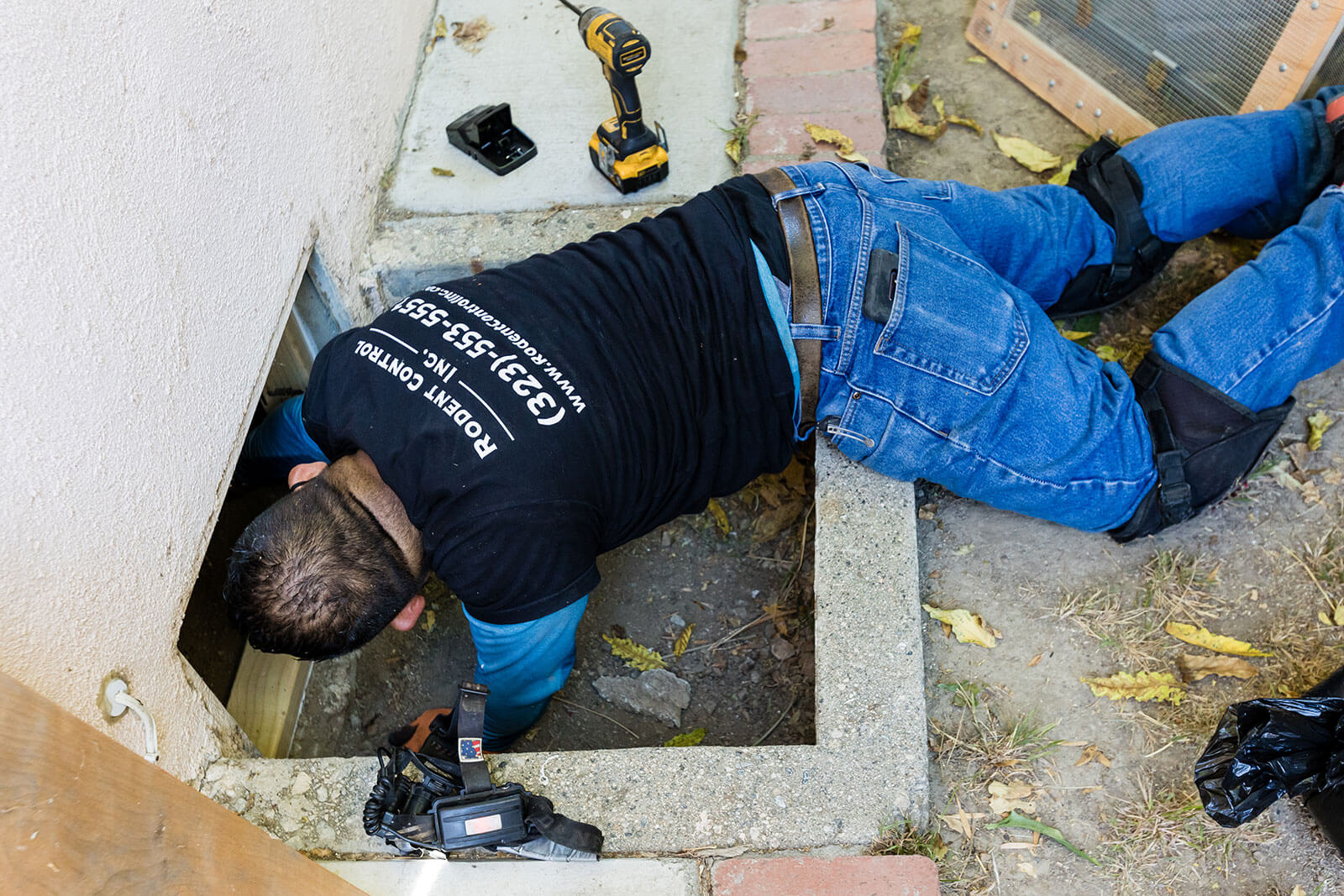
Professional services offer tailored solutions based on specific situations encountered within neighborhoods throughout Los Angeles. For instance, companies like Rodent Control Inc. employ trained specialists who understand local ecology intricacies while utilizing advanced techniques that go beyond traditional traps or poisons.
These experts conduct thorough inspections to identify signs of infestation early on before they escalate into larger problems affecting public health or environmental stability. Moreover, professionals often provide ongoing monitoring services that help keep rodent populations at bay over time.
Community Initiatives: A Collaborative Effort
Engaging communities means fostering partnerships between residents and local authorities dedicated to addressing the challenges posed by rodents comprehensively—this approach encourages collective responsibility among neighbors while enhancing overall community resilience against future infestations.
Programs focused on neighborhood cleanup days encourage residents to come together regularly while tackling litter issues that may attract rodents directly—and building relationships among neighbors also creates informal support systems where individuals share knowledge about effective prevention measures learned over time.
Moreover, schools can play an active role by incorporating lessons about responsible waste disposal into their curricula; instilling good habits early will prepare future generations better equipped than ever before when faced with similar challenges related not only just rodents but overall environmental stewardship as well.
Innovative Solutions: Technology Meets Tradition
As technology evolves rapidly so too do our approaches towards managing pests like rodents effectively—integrating modern innovations alongside age-old strategies enhances overall efficacy without compromising safety standards expected from contemporary practices today any longer!

For example smart traps connected via mobile applications allow homeowners real-time monitoring capabilities—transmitting alerts once catches occur rather than relying solely upon physical checks performed manually throughout each day! This convenience empowers individuals further while minimizing unnecessary stressors associated with routine maintenance tasks previously deemed burdensome otherwise!
Additionally emerging research explores biological controls leveraging natural predators such feral cats providing alternative avenues worth investigating when designing long-term sustainable approaches towards managing problematic rodents without resorting solely upon chemical interventions alone!
Conclusion: A Call to Action
Ultimately addressing rodent-related environmental concerns within Los Angeles requires collaboration among stakeholders—from individual residents taking proactive measures at home through community initiatives designed promote awareness all way up towards strategic partnerships forged between municipalities private pest control firms alike working collectively develop innovative solutions tailored suit unique needs facing our diverse cityscape best suited ensure healthier outcomes shared everyone involved!
By embracing this multifaceted approach combining education prevention intervention we pave way brighter future free pervasive threats posed pesky creatures ransacking our neighborhoods disrupting delicate balance found within nature itself—after all preserving ecological integrity health well-being all citizens paramount importance rodent extermination company in Los Angeles if we wish maintain vibrant thriving metropolis generations yet rodent control services in LA come!
Rodent Control Inc.
Los Angeles, CA, United States
+1 (323) 553-5551
office@rodentcontrolinc.com
Website: https://rodentcontrolinc.com/