
How Climate Affects Rodent Behavior in Los Angeles Areas
The relationship between climate and rodent behavior is a complex interplay that significantly impacts urban areas like Los Angeles. As temperatures fluctuate and weather patterns shift, rodents adapt their behaviors in response to these changes. Understanding these adaptations provides insight into pest control strategies, particularly for residents seeking effective solutions through rodent control services.
The Impact of Temperature Variations
Los Angeles, with its Mediterranean climate, experiences warm summers and mild winters. However, recent years have seen increased temperature extremes. These fluctuations influence rodent behavior in various ways. For instance, as the temperature rises, rodents such as roof rats and house mice may extend their activity into the hotter hours of the day when food sources become scarcer due to environmental stressors.
During periods of extreme heat, rodents seek shelter near human habitats where food remains plentiful. This tendency often leads them to invade homes and businesses in search of refuge from the sweltering outdoors. As a result, warmer weather can lead to an uptick in rodent sightings around properties, necessitating a proactive approach from pest control companies.
In contrast, cooler temperatures can push rodents to seek warmth indoors. For example, during winter months when nighttime temperatures drop significantly, rodents tend to migrate towards attics or basements where they can find insulation and warmth. This seasonal migration emphasizes the need for homeowners to be vigilant year-round.
Rainfall Patterns and Food Supply
Rainfall also plays a critical role in shaping rodent populations. In Los Angeles, precipitation patterns have become increasingly erratic due to climate change. Heavy rainfalls followed by dry spells create an environment conducive to rodent proliferation.
After significant rainfall, vegetation flourishes, providing abundant food sources for rodents like squirrels and voles. These species thrive in lush environments where seeds and nuts are plentiful. This abundance can lead to population booms that spill over into urban settings as rodents search for new territories or food sources.
Moreover, heavy rains can damage existing rodent burrows or nests located underground or on slopes prone to erosion. In response, rodents often relocate closer to human structures where they find shelter and sustenance readily available. Therefore, understanding rainfall patterns is crucial for predicting potential rodent invasions and implementing timely measures through rodent control services.
Urban Development and Habitat Changes
The rapid urbanization of Los Angeles has altered natural habitats significantly over recent decades. This transformation has created new niches for various rodent species while simultaneously disrupting their traditional habitats. Urban landscaping often includes non-native plants that may attract specific rodents or provide inadequate cover against predators.
As buildings rise and green spaces diminish, rodents adapt by finding shelter within structures themselves. They exploit gaps in walls or foundations as entry points into homes or commercial buildings. rodent control services in LA Consequently, property owners must recognize how urban development influences local ecosystems and be prepared with preventive measures provided by reliable rodent control companies.
Additionally, the increasing number of outdoor dining establishments attracts unwanted attention from local wildlife, including rodents drawn to discarded food scraps. Restaurants must implement strict waste management practices not only for health codes but also as a deterrent against rodent infestations.
The Role of Seasonal Changes
Seasons dictate much of animal behavior; this is especially true for rodents in Los Angeles. During springtime when food sources are abundant due to blooming plants and flowering trees, breeding rates among rodents surge dramatically. Female rats can produce multiple litters each year with several offspring per litter—often leading to explosive population growth if left unchecked.
As summer approaches with its heatwaves combined with drought conditions common in California's climate cycle—rodents may become more desperate for water sources which could lead them closer toward populated areas searching for hydration options such as garden hoses or dripping faucets found around dwellings.
Fall brings its own challenges; with schools back in session after summer break comes an influx of students bringing snacks from home leading them unwittingly into contact with hungry critters lurking nearby looking for easy meals! Hence it’s essential that property owners remain vigilant about cleanliness both indoors/outdoors throughout all seasons while considering hiring professional pest control services regularly before peak activity times occur each year—especially before winter hits when increased invasiveness typically occurs!
Climate Change: A Growing Concern
Long-term climate change presents one of the most pressing challenges regarding rodent behavior in urban environments like Los Angeles today than ever before! With rising global temperatures leading towards more unpredictable weather events coupled together alongside extended drought periods; we see shifts occurring within ecosystems influencing everything from reproductive cycles down through survival rates among various species—including those pesky pests we dread finding scuttling across our floors at night!
For instance: higher temperatures may facilitate faster reproduction rates among certain species while causing others’ populations decline due directly back towards lack resources needed sustain themselves effectively over time leading potentially towards shifts predator-prey dynamics causing even greater imbalances ecosystem-wide!
Thus making it imperative that residents stay informed about current trends affecting their environment while actively seeking assistance when necessary by consulting experts specializing specifically within fields related managing these types situations effectively such Rodent Control Inc.!
Proactive Measures: Prevention is Key
Considering how climate affects rodent behavior should urge property owners not only think reactively once problems arise but rather take proactive steps beforehand! There are several methods available which combine good sanitation practices along preventative maintenance help reduce likelihood encountering issues later down road:
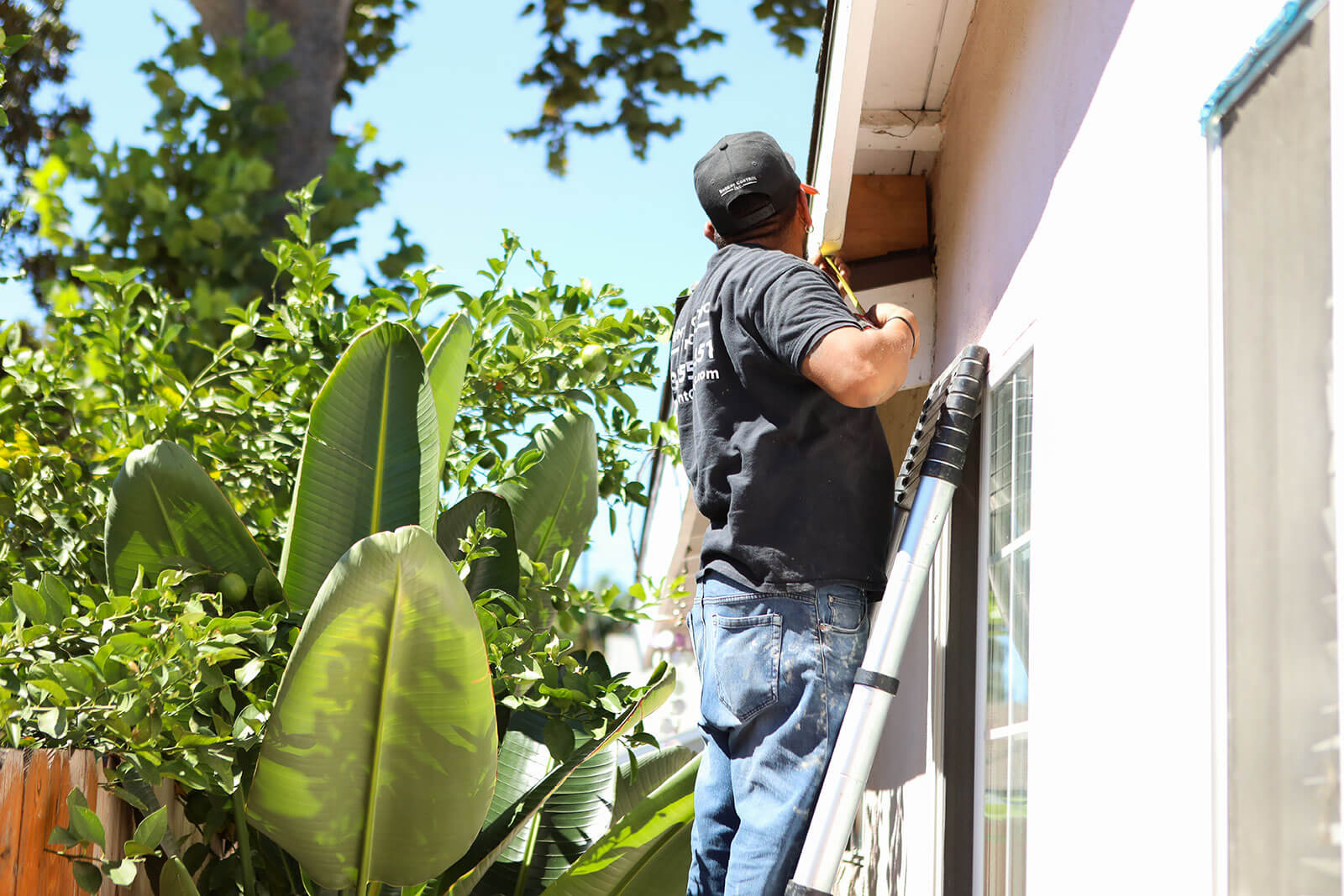
Seal Entry Points: Inspect exterior walls checking gaps/fissures which could serve as potential access routes into homes; sealing these helps prevent unwanted intrusions.
Maintain Landscaping: Keep vegetation trimmed back away from structures eliminating hiding spots while ensuring proper drainage around foundations mitigates risks flooding areas attracting wildlife too close proximity buildings.
Secure Garbage: Use tight-fitting lids on trash bins ensuring no access available scavengers; compost bins should also be secured properly reducing smells attractants!
Regular Inspections: Schedule routine inspections with professional pest control services near me who understand localized challenges specific area facing threats posed by invasive species including any applicable regulations surrounding treatments used combating them effectively!
Educate Residents: Raise awareness within community organizations about signs indicating possible infestations encouraging everyone participate responsibly maintaining cleanliness attributes shared communal spaces!
By implementing these strategies proactively alongside working closely qualified professionals familiarizing themselves intricacies involving local climates will ensure communities remain protected against growing concerns tied directly back towards shifting environmental factors impacting wildlife behavior overall!
Conclusion
The intricate relationship between climate change and rodent behavior underscores an urgent need for awareness among residents living within affected regions like Los Angeles—particularly given how rapidly conditions evolve around us today! By understanding these dynamics intertwined nature surroundings inhabitants navigate daily lives better equipped make informed decisions regarding appropriate actions taken ensure safety comfort homes free pesky vermin disruptions caused unchecked populations expanding unchecked due changing landscapes constantly evolving ahead future generations yet come!
Rodent Control Inc.
Los Angeles, CA, United States
+1 (323) 553-5551
office@rodentcontrolinc.com
Website: https://rodentcontrolinc.com/