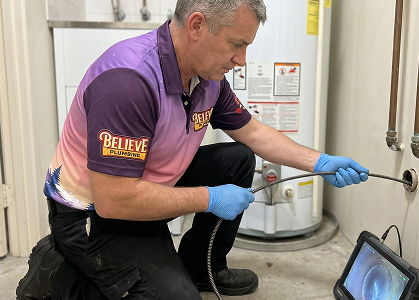
Plumber Sandpoint: Sump Pump Installation Tips
Basements in North Idaho can feel like a promise and a threat at once. They offer extra square footage, storage, and a safety valve during wildfire season for valuables, yet they sit under the house waiting for the next heavy spring runoff, late-winter thaw, or intense summer storm that overwhelms an aged drainage system. A properly installed sump pump is the difference between a damp problem you can live with and a ruined floor, mold, and heaving bills. If you’re looking for a plumber in Sandpoint ID or need a plumber company in Sandpoint to handle a sump pump upgrade, these are the practical details I wish every homeowner asked before someone showed up with a truck.
Why a sump pump matters in Sandpoint
Sandpoint sits near Lake Pend Oreille and in pockets of clay soils that do not drain quickly. Add seasonal snowmelt and the occasional atmospheric river, and you have repeated triggers for basement seepage. A sump pump does two things. First, it collects groundwater that finds its way below the slab, typically via a perimeter drain. Second, it expels that water out and away from the foundation, reducing hydrostatic pressure and keeping the living space dry.
Choosing the wrong pump, the wrong pit, or the wrong discharge path can turn that small investment into repeated repairs. I’ve seen homes where a functioning pump was doing less than half its job because the discharge line was routed downhill to a low spot, where the water pooled within 10 feet of the foundation. I’ve also seen proper installations that lasted 15 years with minimal service because the system was matched to the house and the local conditions.
Sizing the pit and the pump
Sump pits are not one-size-fits-all. A small pump in a large pit will cycle repeatedly, shortening motor life and increasing power usage. A big pump in a tiny pit will short-cycle as well because the pit refills too fast. For most single-family homes in Sandpoint, I recommend a pit diameter of at least 18 inches and a depth that creates 18 to 24 inches of usable water storage. For homes on a slab with a high groundwater table or for houses with finished basements and high-value contents, a 24-inch diameter pit gives you more buffer and better run times.
Pumps are rated by gallons per hour at a given head, which is the vertical lift plus friction from fittings in the discharge line. A typical basement sump pump might be rated to move 3,000 to 5,000 gallons per hour at zero head. But once you add a 15-foot vertical lift and a long horizontal run, that flow will drop. Always calculate the expected head: measure vertical lift from the pit water level to the discharge point, add roughly 10 to 20 feet of equivalent local plumbers head for friction if you have more than 30 feet of horizontal piping or multiple elbows, then choose a pump with adequate capacity at that head. If you are uncertain, opt for a pump with slightly higher capacity and include a larger-diameter discharge pipe to reduce friction losses.
Primary pump type: pedestal versus submersible
If you pick a pedestal pump, the motor sits above the pit and the impeller below. Pedestal pumps are cheaper and easier to service because you can replace the motor without reaching into the pit. Submersible pumps sit entirely within the pit, are quieter, and typically handle solids and grit better because the motor is sealed. For basements that are finished or used as living space, I lean toward submersible models for their quiet operation. For utility areas or where the pit is easily accessible for maintenance, a pedestal can be a cost-effective choice.
Battery backup and secondary pumps
Power outages often coincide with heavy storms. I have arrived at jobs where a homeowner had a perfectly good primary pump but no backup, and the power went out for four hours during a storm. The sump pump system failed, the basement flooded, and the insurance claim was painful.
Battery backup systems are not optional if your basement stores valuables or you have finished living space below grade. A quality battery backup will run the pump for several hours, depending on the battery capacity and pump draw. Expect realistic run times: a typical backup battery will run a basic pedestal pump for 4 to 6 hours under moderate cycling, but if the pump runs continuously the battery will last less time. A best practice is to pair a battery backup with a smaller, dedicated backup pump rather than relying on the main pump alone during outages. Some homeowners prefer a secondary, high-capacity pump on a float switch in the same pit, set to kick in only when the water reaches a higher threshold. That reduces wear on the backup battery and provides redundancy.
Discharge routing and legal considerations
Routing the discharge matters more than most people realize. Municipal codes and environmental rules often prohibit discharging sump water into storm drains, neighboring properties, or areas where it can re-enter your foundation. In Sandpoint and Bonner County, check local ordinances before finalizing a discharge location. A common acceptable route is to run the discharge to the front yard and direct it away from the foundation into landscaped areas or to a dry well. Dry wells can work well if the soil accepts water, but if you have clay soils that hold moisture, a dry well will fill and back up quickly.

If you have a steep grade away from the house, route the discharge downhill and ensure the termination point has an elbow and splash block to prevent erosion. Install a check valve in the discharge line to prevent pump output from flowing back into the pit and short-cycling the pump. Be careful with multiple check valves; they create friction and reduce performance, but a single, reliable check valve is essential. I recommend a removable check valve assembly or a swing check with a rubber seat that can be inspected without digging up piping.
Pre-install questions every homeowner should ask
Before the plumber begins, cover a few items so there are no surprises. Here is a short checklist to guide that conversation.
Preparing the pit and the sump area
Good installation starts with site prep. The pit must sit on a firm, level base. Pouring a concrete collar around the pit top gives a neat finished look and prevents soil from sloughing into the pit during heavy rain. If your basement is finished, consider installing a removable lid with a gasket to reduce odors and slow evaporation from the pit. However, a sealed lid without access can trap gases or prevent easy inspection. Provide a small removable hatch or an access panel so homeowners or technicians can quickly inspect floats, the pump clutch, and the check valve.
Float switch placement is a detail that separates mediocre installs from professional ones. The float should operate freely without rubbing the pit wall or getting hung on wiring. Use tethered floats only in pits designed for them; vertical float switches are cleaner and less likely to snag. Position the float so the pump activates well before water reaches a level that could affect the slab or utilities.
Wiring and circuit considerations
Sump pumps are motors and they deserve a dedicated circuit. Older homes sometimes have pumps tied into other circuits, which invites nuisance tripping during storms. A dedicated 15- or 20-amp circuit, GFCI protected if required by code, prevents this. If you install a battery backup system, the battery charger should be on its own circuit to avoid overloading the main pump line. Keep wiring tight and protected from water; exterior wiring should be in conduit and sealed where it passes through the foundation.
For environmentally conscious homeowners, consider pairing your sump pump with a smart float alarm and remote notifications. These systems use a small sensor and cellular or Wi-Fi connectivity to alert you when the pump turns on unusually often, when it fails, or when the battery drops below a safe level. That small investment often pays for itself by avoiding repeated minor floods that escalate into major repairs.
Maintenance that keeps pumps reliable
Sump pumps are simple machines, but they need care. Once a year, or ideally every six months in high-risk locations, remove the pump and inspect the impeller and seals. Clear any gravel and grit from the bottom of the pit, because abrasive material accelerates wear. Test the pump by pouring a bucket of water into the pit and observing the cycle, listening for odd noises, and confirming the check valve seats properly. If the pump cycles rapidly, either the pit is too small or the float is set incorrectly.
If you install a battery backup, test it by switching off utility power and watching the system operate. Batteries typically need replacement every three to five years depending on usage and maintenance. Keep a log with dates of inspection, battery replacements, and any part swaps. A maintenance log is a cheap and effective way to preserve system life and maintain homeowner knowledge during emergency response.
Edge cases and trade-offs
Every property has quirks. If your house sits at the bottom of a hill or your yard naturally channels water toward the foundation, a sump pump alone will not solve all problems. You may need to complement the pump with exterior grading, French drains, or gutter improvements. For older homes with no perimeter drain, installing interior drains and a sump pump is sometimes the most cost-effective solution compared to excavating for exterior waterproofing.
Cost is a common constraint. A basic submersible sump pump installed and wired properly will start in the low thousands including pit work, discharge piping, and a basic check valve. Adding a battery backup, a higher-capacity pump, or a finished pit can push the price higher. Weigh the value of peace of mind against the cost. If you store antiques, electronics, or finished living space below grade, the insurance deductibles and replacement costs quickly justify a higher-quality system.
Why a local plumber matters
Hiring a plumber in Sandpoint brings local knowledge and practical experience with the soil, seasonal weather, and permitting nuances. A plumber Sandpoint residents trust will know whether a dry well makes sense on your lot, how the county handles discharge rules, and where previous houses in the neighborhood struggled. Local firms can also respond faster during high-water events. A plumber company in Sandpoint that keeps trucks on local routes shortens response times when every hour can mean the difference between a wet carpet and a ruined subfloor.
If you are deciding between national brands and local tradespeople, consider responsiveness and warranty support. Believe Plumbing, for example, is a regional name that people mention when they need dependable service in the area. When a company stands behind their work locally, they have an incentive to do it right the first time because reputations travel fast in small communities.

Real-world estimate and timeline
A typical installation of a new sump pump system with a submersible pump, an 18-inch pit, basic discharge piping, a check valve, and a dedicated circuit can be completed in one day for most homes, assuming no surprises. If the installer must cut through a finished concrete floor, take extra time for cleanup and for resealing the patch. If you choose to add a battery backup, expect an extra hour or two for wiring and testing.
If a property requires perimeter drains to be installed, that is a larger job. Interior drain systems that require cutting trenching into the slab can take two to three days depending on square footage and finish level. Exterior excavation for waterproofing and outer membranes runs longer and is susceptible to weather delays. Ask your plumber for a day-by-day estimate and make sure they include contingency for hidden issues like old pipes, unexpected voids, or root intrusion.
When to call a professional right away
If your basement has never had a sump pump and you notice efflorescence, wall cracks, or visible water stains, call a professional before the next big storm. Small seepage often precedes bigger failures. If your pump is making irregular noises, runs continuously, or the float sticks and fails to trigger, call a plumber promptly. Early intervention saves floors, insulation, and drywall.
Finding the right contractor
Interview at least two local plumbing companies and ask for references from recent sump pump installations. Ask to see the exact pump model they plan to use, and ask about warranty and service expectations. A reputable plumber will discuss head calculations, pit sizing, discharge routing, and maintenance, and will provide a written estimate. Verify that they hold local licenses and carry liability insurance. The cheapest estimate is rarely the best choice when water damage is the downside.
Final persuasive note
A sump pump is a small investment that protects a large asset. In Sandpoint, the right system respects local soils, weather patterns, and practical maintenance realities. Choose a plumber in Sandpoint ID who communicates clearly, sizes equipment properly, and stands by their work. Whether you hire a known local company like Believe Plumbing or another trusted plumber Sandpoint homeowners recommend, the most important decision is to stop deferring and get the right system in place before the next heavy melt or storm. A dry basement is not a luxury, it is intentional risk management.
Believe Plumbing
819 US-2, Sandpoint, ID 83864
+1 (208) 690-4948
info@callbelieveplumbing.com
Website: https://callbelieveplumbing.com/