Front Yard Landscaping Trends in Vancouver BC
Vancouver front yards are changing faster than the rhododendrons can leaf out. Homeowners want curb appeal that still feels alive, practical, and built for the Pacific northwest climate. I have worked on dozens of residential projects across Greater Vancouver BC, and the choices people make now reflect three practical priorities: water management, lower maintenance, and year-round texture. That mix pushes design toward native plants, permeable paving, multifunctional Landscaping in Vancouver BC planting, and a smarter relationship with lawn. If you are thinking about a refresh, these are the trends worth reading closely, with hard trade-offs and concrete ways to get the result you actually want.
Why these trends matter Every Vancouver front yard faces the same environmental constraints: heavy winter rainfall, limited summer watering allowances in some years, and lots of shade in many neighborhoods. At the same time, property values and neighborhood style matter. A well-thought-out front landscape reduces stormwater runoff, cuts weekly chores, and increases usable outdoor space. The trick is balancing aesthetics and function, which is where experienced landscaping in Vancouver BC pays off.
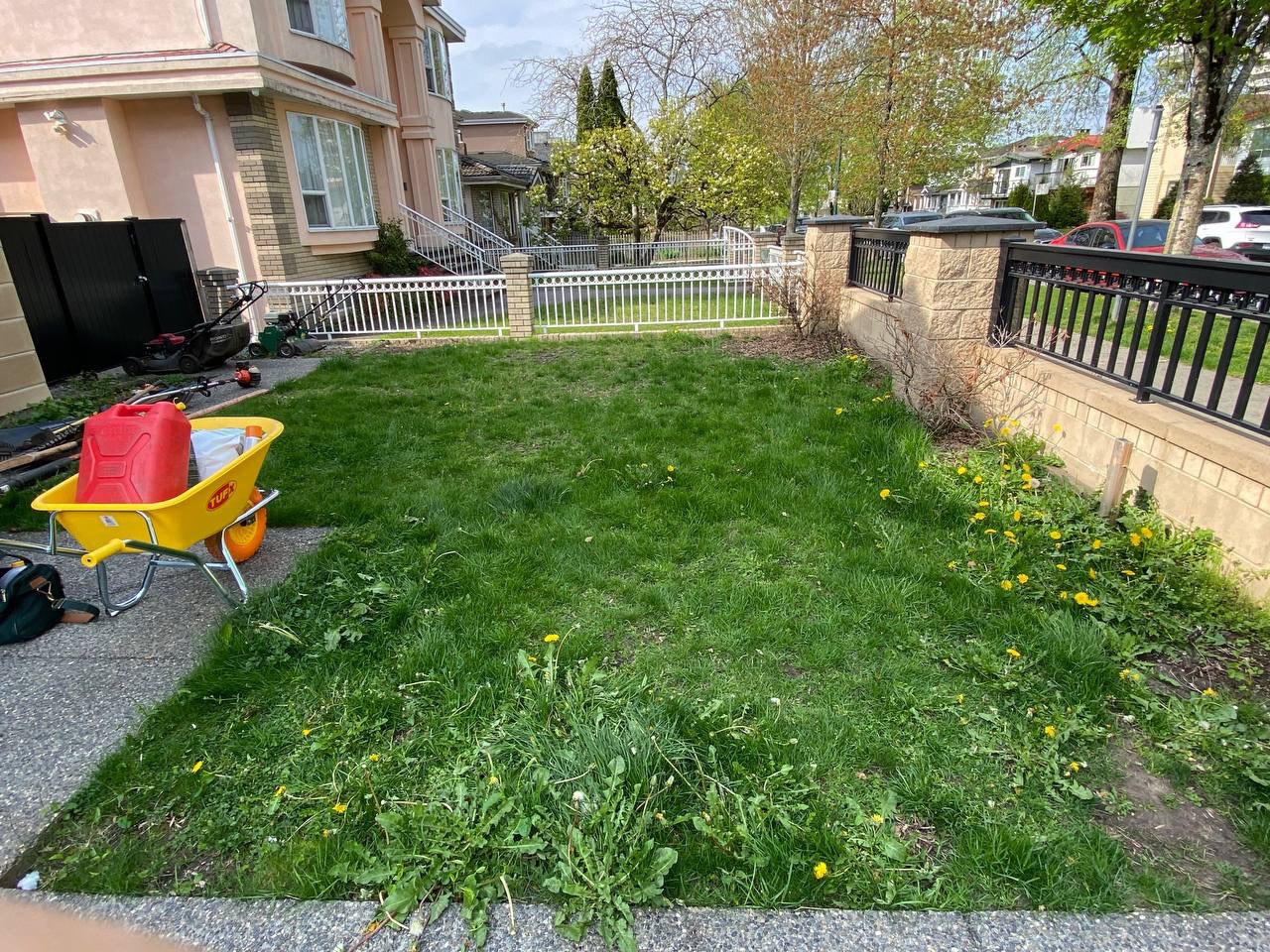
What buyers and neighbors notice first People notice scale and rhythm before they see plant names. A tidy geometric path with asymmetrical planting, consistent color palettes, and small focal elements will read as intentional from the street. Overgrown hedges, broken paving, and an ordinary expanse of lawn rarely read as quality. If you are planning landscape installation, think about twice before preserving a big lawn in front. It looks green, but it is often the least water- and carbon-efficient use of the space.
Five front yard moves that keep coming up
Each of these moves answers a local problem. Replacing lawn often yields the biggest environmental return, both in reduced watering and in increased stormwater absorption. A rain garden that collects runoff from the roof can cut perceived puddling and draw in native pollinators. Good path design stops mud tracking into the house and frames the landscape like a picture.
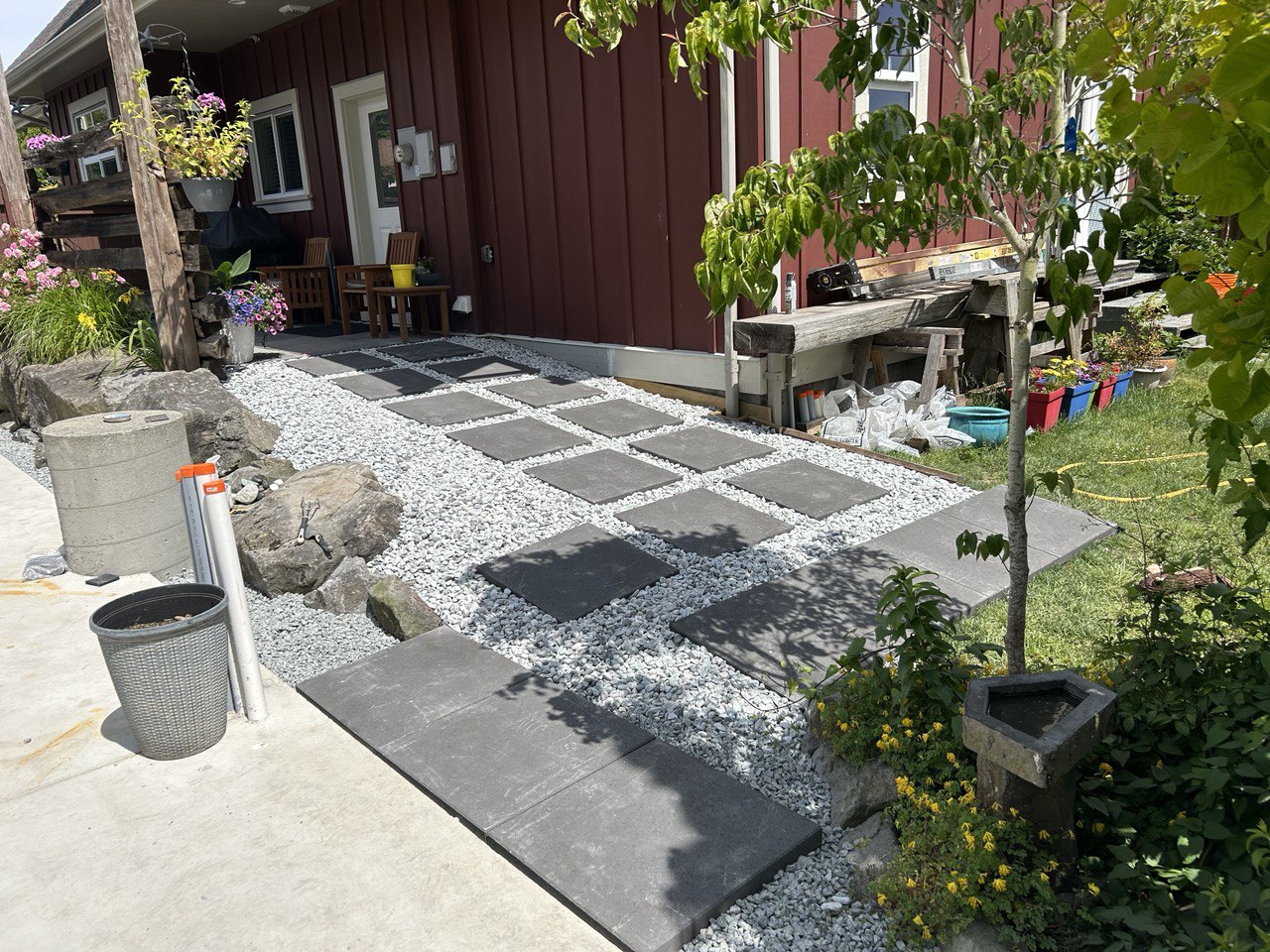
Materials that work on Vancouver streets Paving choices present real trade-offs between durability, maintenance, and permeability. Concrete pavers set on sand are affordable and neat, but unless laid with gaps they increase runoff. Exposed aggregate concrete is sturdy, but can feel cold and institutional. Porcelain pavers are attractive and low-maintenance, though pricier. Permeable interlocking pavers or gravel set in stabilized grids give a cleaner rain-friendly surface for driveways and walkways.
Wood elements, in moderation, add warmth. Cedar planters and a modest porch or bench will weather well here if finished and maintained. Avoid raw steel near salt spray if you live close to the ocean, choose galvanization or corten with a protective finish. For edging, steel or stone keep lawn and beds defined and reduce the migratory threat of weed grass.
Plant palettes that actually survive The front yard is not the back yard. Plants here must tolerate compacted soil, pollution from street traffic, and pruning exposure. Native choices include red osier dogwood, Oregon grape, salmonberry, and sword ferns for shady sites. For texture and bloom, consider Japanese maples in protected microclimates, heucheras for color contrast, and sedges as a grass alternative where you want a softer plane.
Many clients ask for drought-tolerant landscaping, but what that means in Vancouver is different than in interior British Columbia. The best approach couples drought-tolerant perennials and native shrubs that can shoulder a dry July and August with a reduced irrigation regime, rather than plants that need desert conditions. For sunny front yards, lavender and grasses like Festuca glauca perform well. For east- and north-facing yards, lean into shade-tolerant natives and avoid sun-loving exotics that will sulk.
Hard choices around lawn Lawn removal is emotional. Some families want a play surface for toddlers, dogs, or soccer practice. Others are tired of weekly mowing. If you keep lawn, reduce its area to a defined patch and choose a low-maintenance seed mix. If you replace lawn, people often choose between a planted meadow, groundcover like thyme or sedge, or a compacted gravel play pad. Cost for removal and new planting often ranges from several hundred dollars for a small patch to several thousand dollars for full front-lawn replacement, depending on access, existing irrigation, and soil condition. Expect the higher end for jobs that require heavy excavation, regrading, or drainage work.
Stormwater and drainage you can trust Because Vancouver receives most of its precipitation in winter, a front yard that sheds water onto the street or into foundation drains will cause problems. Simple grading fixes and installing a planted swale can make a dramatic difference and are frequently more cost effective than expanding municipal storm infrastructure. Rain gardens are especially useful when a downspout can be directed to a depressed, planted area with free-draining soil and an overflow route in heavy storms. On many properties, a trench drain across the driveway or a small dry creek bed that routes water away are sensible additions.
Lighting that sells after dark Good lighting extends the day, improves safety, and showcases the plants you chose with intention. Rather than bright floodlights, choose layered illumination: a low path light, a mid-level wall wash to reveal texture, and a focal fixture to highlight a specimen tree or a sculptural element. LED fixtures save energy and require less luxylandscaping.ca maintenance. Consider motion sensors for security lights, but keep them shielded so they do not disturb neighbors.
Practical irrigation strategies Automatic irrigation gives peace of mind but can be wasteful. Smart controllers that adjust watering based on weather data reduce use significantly. In front yards where water is limited, target irrigation to planting zones rather than overhead lawn sprinklers. Drip irrigation for beds, low-flow bubblers for trees, and soil moisture sensors let you water only when needed. When installing landscape in Greater Vancouver BC, ask contractors about rain-sensing controllers and seasonal adjustment.
Finding the right contractor, and what to ask Choosing who implements your vision matters as much as the design itself. Here are five focused questions to ask any landscaper before you hire them:
Ask follow-up questions about warranties on hardscape work, how they protect the property from construction traffic, and whether the crew will coordinate with any municipal requirements. Many Greater Vancouver homeowners find good results by searching "Landscaping near me" and then vetting for recent projects, photos, and client testimonials. Local firms like Luxy Landscaping appear in searches for a reason, but verify their project portfolio and ask for site visits to completed jobs if possible.
Budget realities and cost drivers Front yard landscaping costs vary widely. A modest refresh that includes new plantings, path repairs, and lighting can be done for a few thousand dollars. Comprehensive landscape installation that removes lawn, regrades, installs permeable paving, adds a rain garden, lighting, and irrigation commonly ranges from $15,000 to $50,000 or more for standard Vancouver properties. Driveway replacement or complex drainage solutions push budgets higher. The main cost drivers are access for equipment, the extent of earthwork, material choices, and whether heavy civil elements like retaining walls or underground drains are required.
Permit and bylaw considerations Some front yard changes require municipal attention. For example, changes that alter stormwater routing to the street, curb cuts for driveways, or removal of significant trees may need permits or approval. Many Vancouver neighbourhoods also have design guidelines for frontages and tree protection bylaws. Before construction, check with your local municipal office regarding tree protection, front boulevard planting responsibilities, and any requirements for permeable surfaces or driveway widths.
Sustainability and wildlife A well-designed Vancouver front yard can be a micro-habitat. Native shrubs and early-blooming plants support pollinators in spring, while berry-producing shrubs feed birds. Avoid heavy use of pesticides and herbicides. Composting plant waste on site, or having it removed responsibly, closes nutrient cycles. If you want to push sustainability further, consider specifying locally milled cedar for planters, salvaged stone for walls, and reclaimed wood for benches.
Maintenance expectations No design is maintenance-free. Native plantings typically need a heavier first year of care as they establish, measured in supplemental watering, selective pruning, and weed control. After establishment, many native beds require only seasonal pruning and a tidy-up. Hardscapes benefit from occasional pressure washing and joint maintenance. Factor a modest annual maintenance budget into your plans; many homeowners find that a single seasonal visit from a landscaping services provider keeps things neat without requiring weekly effort.
Stories from the field A client in Kitsilano wanted to replace a tired lawn with a low-care, pollinator-friendly garden. The house sits on a narrow lot with a small slope toward the street. We removed a 100 square foot lawn, installed a bermed rain pocket with native carex, salal, and twinflower, and reconfigured the path with permeable pavers. The job took a week, and the homeowner reported a noticeable drop in winter puddling, fewer weeds after the first season, and daily visits from bumblebees that had never nested in the front yard before. Another project in Burnaby traded a full-length driveway for a narrower permeable strip and a planting plane, gaining usable space for a bench and reducing heat reflection to the house.
When to DIY and when to hire Tackling a few planter boxes or replacing pavers in a small path is feasible for competent DIYers. Larger tasks that affect drainage, require excavation, or involve tree removal are best left to professionals. Experienced contractors coordinate permits, manage subcontractors, and foresee problems before they become expensive. If your project changes grade or impacts runoff to neighboring properties, professional oversight will save money in the long run.
How to start Begin with a site analysis. Observe morning versus afternoon sun, identify existing drainage patterns, and note microclimates near the house, fences, and neighboring trees. Take photos and measure distances. A short consultation with a local designer or landscaping services provider will clarify whether you need a permit, and will produce a realistic budget range. When you talk to contractors, reference real examples you like and ask for a maintenance calendar so you know what the finished yard will demand.
Closing thought, practical persuasion Front yard landscaping in Vancouver BC is more than cosmetic refreshment, it is an investment in function, neighborhood character, and ecological resilience. Thoughtful choices reduce stormwater problems, lower maintenance, and create a welcoming approach to your home. Whether you search for "landscaping near me" because you want a quick facelift, or you plan a full landscape installation, weigh the environmental benefits alongside appearance and get a detailed plan. Good local teams, including several established firms that focus on Landscaping Services Greater Vancouver BC, can turn a problematic patch of turf into a resilient, beautiful space that performs year round. If you are ready to move beyond guesswork, start with measurements, photos, and two or three contractor conversations, and keep the front yard’s function as your north star.
Luxy Landscaping
1285 W Broadway #600, Vancouver, BC V6H 3X8, Canada
+1-778-953-1444
canadianluxyhomes@gmail.com
Website: https://luxylandscaping.ca/