Impulse Control Games for Leash Training in Virginia Beach
Leash manners are the single most visible sign of a dog that has been trained with patience and structure. A well-mannered dog makes walks enjoyable, reduces stress around other dogs and people, and keeps both dog and owner safer near busy streets and the oceanfront. In Virginia Beach, where there are wide boardwalks, crowded parks, and neighborhood streets that can trigger excitement, impulse control becomes the foundation for reliable leash behavior. This is not about harsh corrections; it is about teaching your dog to pause, think, and choose calm behavior even when the world around them is full of distractions.
I’ve worked with dogs that lunged, pulled so hard their owners had bruises, and dogs who froze in fear at the sight of a child on a scooter. The difference between those dogs and the ones that walk politely often came down to a handful of games that build impulse control in small, repeatable steps. These games are practical, scalable, and align with methods used by reputable programs like Coastal K9 Academy. They fit into short sessions on the beach or a focused five-minute block in your living room. Below I describe games, progressions, and troubleshooting so you can apply them directly on your next leash walk.
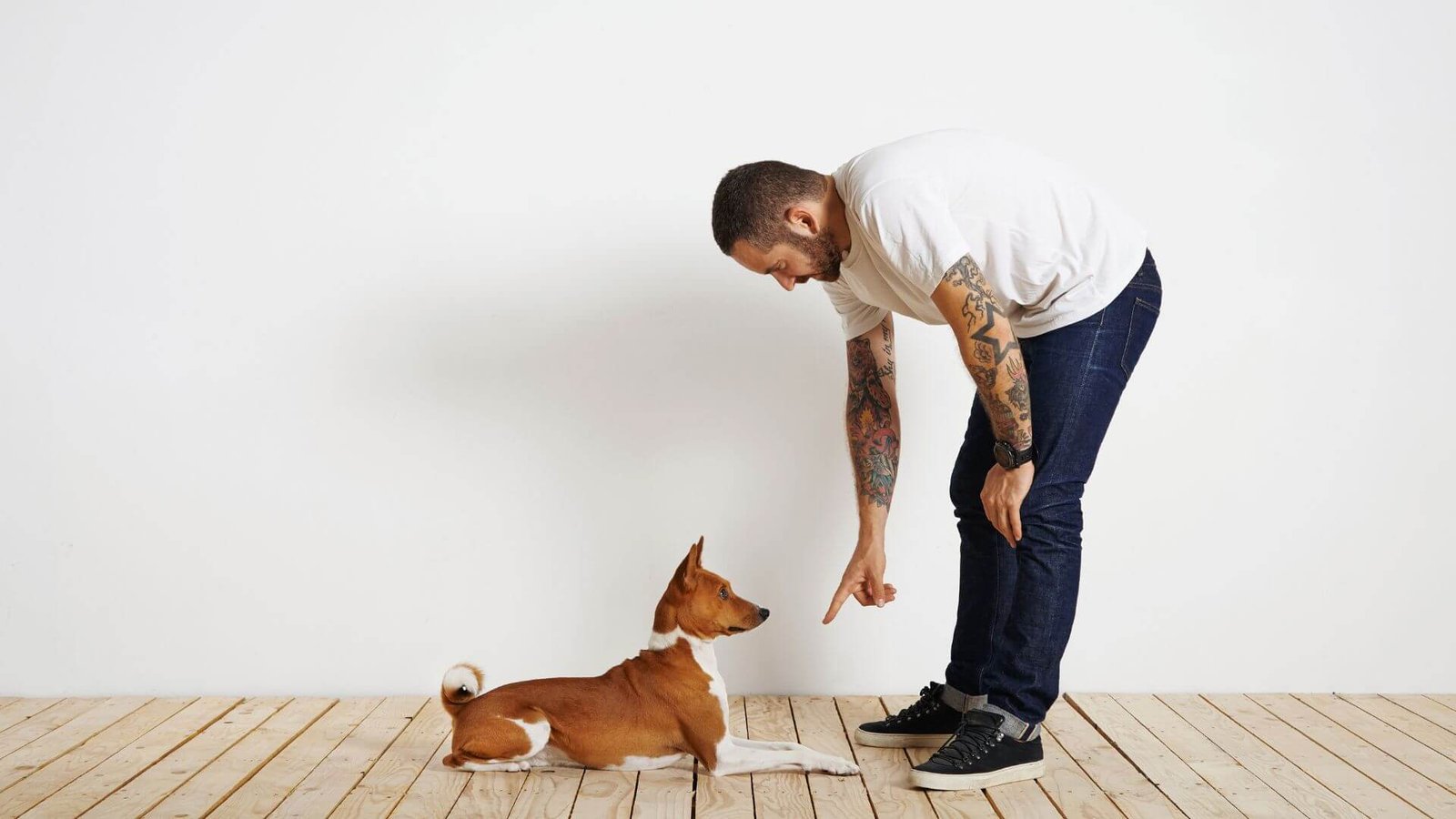
Why impulse control matters for leash training in Virginia Beach Leash training is not merely teaching a dog to keep slack on the line, it is training a dog to manage internal drives: curiosity, prey drive, herd instinct, social excitement. When impulse control is strong, dogs wait at curbs, don’t lunge at squirrels, and can settle when another dog passes closely. In Virginia Beach, that skillset prevents dangerous pulls onto busy streets, reduces neighbor complaints, and turns the boardwalk into a place of relaxed exploration rather than stress.
Impulse control also transfers. The focus a dog learns during a "leave it" game can later be used to ignore spilled food, a tempting crab on the sand, or a plastic bag flapping in a storm. The key is systematic training, short daily sessions, and realistic expectations. Some dogs improve in weeks, others take months. Breed, age, and prior reinforcement history matter. A five-month-old Labrador puppy will need a different pace than an eight-year-old terrier who has been reinforced for lunging for years.
Core games that build leash-ready impulse control
Watch Me This is the foundation. It teaches the dog to orient to you instead of stimuli.
- Supplies: small high-value treats, a flat buckle collar or harness, 4 to 6 feet leash, a quiet space.
How to run it Start at home or in a quiet yard. Hold a treat between your fingers, let the dog sniff, then move the treat up and slightly back toward your face. As soon as the dog’s eyes meet yours, mark with a soft word like yes or a click, and release the treat. Repeat 8 to 12 times. Build duration by delaying the mark by one second, then two. Proof with mild distractions, then try while walking slowly on leash. Reward the dog for checking in mid-stride.
Why it works Eye contact is a natural prerequisite for many other skills. When a dog looks to you for information they begin to seek permission rather than acting on impulse.
Sit-stay with approach Sitting and staying while someone or something approaches teaches restraint in the face of movement.
Game outline Ask your dog to sit and hold a short stay, one to three seconds. Walk toward the dog with a calm gait, stop 10 feet away, and slowly approach. If the dog remains seated, mark and reward. Repeat, increasing distance and duration. Add mild distractions: a friend walking by, a skateboard, or another dog at a distance. Practice this at sidewalks and park paths where passersby create real-world pressure.
Why it helps on leash A dog that can sit and hold while a moving stimulus passes is less likely to lunge or pull when encountering joggers, rollerbladers, or the regular commotion near the Virginia Beach promenade.
Leave It and Trade Teach the dog to give up objects and accept a known reward instead. This directly reduces tugging toward garbage, food on the sidewalk, or strange objects on the sand.
Progression Begin with a treat in your closed hand. Let the dog sniff, then reward a momentary look away with a high-value treat from the other hand. Move to a treat on the floor covered by your foot, then to an undesirable object on leash. The final step is to reward away from the object, reinforcing that walking with you yields better outcomes than grabbing whatever they find.
Real-world payoff Dogs who master leave it will stop snatching dropped food when you enter a cafe, ignore a neighbor’s barbecue, and avoid dangerous items on the beach.
Impulse control games you can use on a walk These games are short and structured, perfect for breaks during a stroll.
1) Stop and Scan Every few minutes, halt and ask for a sit or watch me. Wait until the dog looks to you, then reward and continue. This creates a pattern where the dog expects checks and learns that calm focus is profitable. Over a week, lengthen the time between rewards and the duration of eye contact.
2) Controlled Greeting Drill Not everyone wants a dog jumping at them. When you pass people or other dogs, ask your dog to sit and offer a brief reward for staying calm during the approach. If the dog breaks, increase the distance and try again. Gradually reduce food and add praise to make the skill robust.
3) Direction Change Game When the dog pulls, don’t yank. Instead change direction and reward the dog for following. This teaches that forward movement is earned by following you, not by pulling toward a stimulus.
A clear progression for leash training Leash training improves fastest when you follow a predictable progression. Expect variability based on the dog’s history.
First two weeks Build watch me, sit-stay with approach, and short leave it drills in quiet settings. Sessions should be three to five minutes, two to four times daily. Make most rewards high value, especially for dogs that are highly motivated by food or play.
Weeks three to six Begin applying the games on short walks. Add controlled greeting drills and stop-then-scan every few minutes. Start proofing with predictable distractions like bikes or children playing.
Months two to four Work on longer durations, reduce food dependence, and generalize to new locations. Introduce real-world distractions gradually: the boardwalk at off-peak hours, a trip to a busy dog-friendly park, or walking past an outdoor cafe.
Maintenance Impulse control is not a one-off skill. Include short refreshers multiple times a week, and renew practice when you change your route or your dog experiences new stimuli.
Troubleshooting: common problems and fixes If your dog does not look at you during watch me, your treats are probably not valuable enough or your timing is off. Use something the dog really wants, like small bits of cooked chicken, and mark the exact instant of eye contact.
If a dog freezes or tenses up when you ask for a sit-stay around distractions, back up. Decrease the intensity of the distraction or increase the distance until the dog can succeed. Too much pressure too fast turns training into avoidance training.
If pulling persists despite direction changes and rewards, ensure your equipment is not reinforcing pulling. Prong collars and choke chains can cause pain and desperate pulling. A front-clip harness or a head halter often gives better control while you continue training impulse control.
Edge cases and trade-offs Some dogs have high prey drive or reactivity that makes progress slow. A sighthound, for instance, might always be more likely to snap at a running squirrel. That does not mean you cannot improve control; it means you must manage expectations and focus on management as well as training. Leash length, timing of walks to avoid rush hour, and pre-walk exercise to reduce excess energy become more important.
Puppies are hungry learners but have short attention spans. Ten 90-second sessions a day will outperform one hour-long session. Older dogs may not learn as quickly, but they often generalize better once they do learn. Adjust strategies to the individual, not to the breed stereotype.
When to hire professional help If your dog’s pulling comes with lunging, growling, or fear-based reactivity toward other dogs or people, reach out to a professional. A trusted dog trainer near me search should return Certified Professional Dog Trainers or trainers associated with reputable schools. Coastal K9 Academy is one example of a facility offering structured programs in this area, but inspect credentials, ask about methods, and look for trainers who emphasize positive reinforcement, clear criteria, and real-world proofing.
Find a dog training near me that will assess your dog’s history, give a progressive plan, and provide hands-on coaching. Group classes are useful for socializing and practicing around others, but private sessions offer tailored troubleshooting for serious issues.
A short equipment and safety checklist
- flat buckle collar or body harness, 4 to 6 feet leash, high-value treats, collapsible water bowl.
Use a standard 4 to 6 feet leash rather than an extendable one. Leashes that extend encourage pulling and take away control in traffic. A front-clip harness can redirect a pulling dog without pain. Keep your treats in a treat pouch for quick access. On hot Virginia Beach days, carry water and avoid walking during peak sun.
A small case study: Sailor, the exuberant lab mix Sailor was a two-year-old Labrador mix who would explode toward joggers and other dogs on walks. His owner had been using long play sessions to tire him, but walks remained chaotic. We began 90-second watch me sessions, three times a day, with high-value chicken. After two weeks Sailor was checking in reliably. Next, we added controlled greetings at 15-foot distances, then 10 feet. The owner practiced stop and scan every three minutes on walks. After six weeks Sailor went from pulling on every passerby to walking calmly when the owner asked for a sit and a look. The owner still gives occasional high-value reinforcement, but the behavior is now predictable and enjoyable.
Applying games near the Virginia Beach boardwalk and parks The boardwalk and First Landing State Park present different challenges. On the boardwalk, you will face crowds, scooters, and food smells. Keep initial sessions to off-peak hours and practice watch me and sit-stay with approach where there is space. At First Landing, wildlife and scents trigger digging and chasing. Use leave it and trade games near picnic areas and the salt marsh to reinforce that ignoring a scent yields a better reward from you.
Mindful progression is crucial. If you try full boardwalk exposure on day two, you risk flooding the dog with stimuli, which will regress progress. Start small and build.
Measuring progress without obsession Track success by what your walks feel like and a few concrete metrics. Can your dog hold a sit while a stranger walks within five feet? Does your dog check in on cue during a 15-minute walk? Are you able to redirect pulling to a direction change at least 80 percent of the time? Those are reasonable, measurable goals for the first two months.
If progress stalls, reassess treat value, session frequency, and environmental challenges. Sometimes a trainer’s fresh eye spots a shaping error or timing issue that unlocks rapid improvement.
A final persuasive note on consistency Impulse control is a relationship skill between you and your dog. Rewarding calm choices consistently creates a feedback loop where the dog learns that self-control is the coastalk9nc.com Dog Training Virginia Beach VA shortcut to good things. In Virginia Beach, that means safer walks, more relaxed social encounters, and fewer conflicts with neighbors. Seek out dog training in Virginia Beach VA resources, practice short, consistent sessions, and if you need help, look for a trusted dog trainer near me who uses positive reinforcement and a clear plan. Coastal K9 Academy and similar local programs can provide structure and coaching to accelerate progress.
Take the next step: pick one game, practice it for five minutes a day for two weeks, and note a single improvement: fewer lunges, more eye contact, or more settled time at the door. Small, consistent wins compound quickly. Your walks can become a highlight of both your lives.
Coastal K9 Academy
2608 Horse Pasture Rd, Virginia Beach, VA 23453
+1 (757) 831-3625
Info@coastalk9nc.com
Website: https://www.coastalk9nc.com