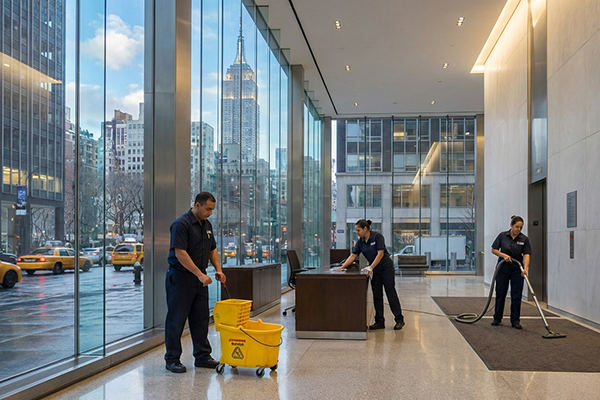
Commercial Cleaning Company Benefits for Large NYC Complexes
Large residential and commercial complexes in New York City are complicated organisms. They have heavy foot traffic, tight schedules, multiple tenant types, and infrastructure that ages faster than in quieter markets. That complexity makes cleaning more than a cosmetic concern. It is a risk management issue, a retention lever, a brand statement, and often a line-item that eats operations budgets when handled poorly. A professional commercial cleaning company that understands New York City’s rhythms can convert those liabilities into predictable outcomes: safer common areas, longer-lasting finishes, steadier tenant satisfaction, and clearer financial forecasting.
Why attention to cleaning matters here is not theoretical. I once managed a 450-unit co-op in Brooklyn where the doorman, building manager, and I changed our cleaning approach after a winter of slippery marble lobbies and three minor falls. Within a month of switching to a vendor that used proper salt mixes, trained staff on high-traffic timing, and scheduled twice-daily inspections, incidents dropped, liability claims stopped, and residents stopped demanding frequent refunds or discounts. The cost of the new contract was higher, but the measurable benefits—fewer injuries, less slip-and-fall risk, and higher retention—paid for themselves within a season.
Operational benefits of outsourcing to a specialist
A commercial cleaning company brings systems that individual buildings rarely maintain on their own. Those systems include standardized training programs, supply chain relationships, quality control protocols, and technology for scheduling and reporting. For large complexes, these systems translate into consistent performance across dozens or hundreds of spaces, from indoor corridors to rooftop decks.
Standardized training means janitorial staff know where to apply stronger cleaners and where to avoid them to prevent finishes from dulling. For example, acid cleaners remove mineral buildup on bathroom tile but will ruin natural stone in a matter of weeks. A professional vendor keeps a materials matrix so the right chemicals and techniques match the substrate. Over time that reduces capital expenses because tile, stone, metal railings, and painted surfaces last longer.
Supply chain advantages are practical but often overlooked. A vendor with citywide operations has buying power and redundancy. That matters in winter when road conditions delay deliveries or when a popular disinfectant faces temporary shortages. Vendors typically carry contingency stock, which prevents you from running out of essentials like HEPA vacuum bags, sanitizer Cleaning services dispensers, or de-icing materials in an emergency.
Quality control matters more than frequency. Two daily cleanings done without an inspection regime are not the same as twice-daily cleanings with documented walkthroughs, photo reports, and corrective action logs. Large complexes need measurable quality. Most reputable cleaning companies provide mobile reporting that timestamps and geotags photos of completed tasks, which simplifies dispute resolution and keeps building managers accountable without constant in-person oversight.
Tenant satisfaction and retention
In multifamily complexes, tenants notice cleaning first. Dirty gyms, smudged elevator buttons, overflowing trash rooms, and unpleasant stairwell odors affect perceived value more than many capital upgrades. I have seen buildings with newly renovated lobbies lose credibility because maintenance fell behind; conversely, properties with modest finishes but immaculate public spaces enjoy stronger lease renewals.
A professional cleaning company brings service consistency that tenants recognize. When residents see a visible cleaning presence during peak hours, it signals attention to the entire operation. That visibility reduces complaints and increases a sense of safety. For office complexes, immaculate common areas and restrooms contribute directly to tenant productivity and brand perception. Clients and visitors form quick impressions; a clean environment helps landlords market space at higher rates.
Health and regulatory compliance
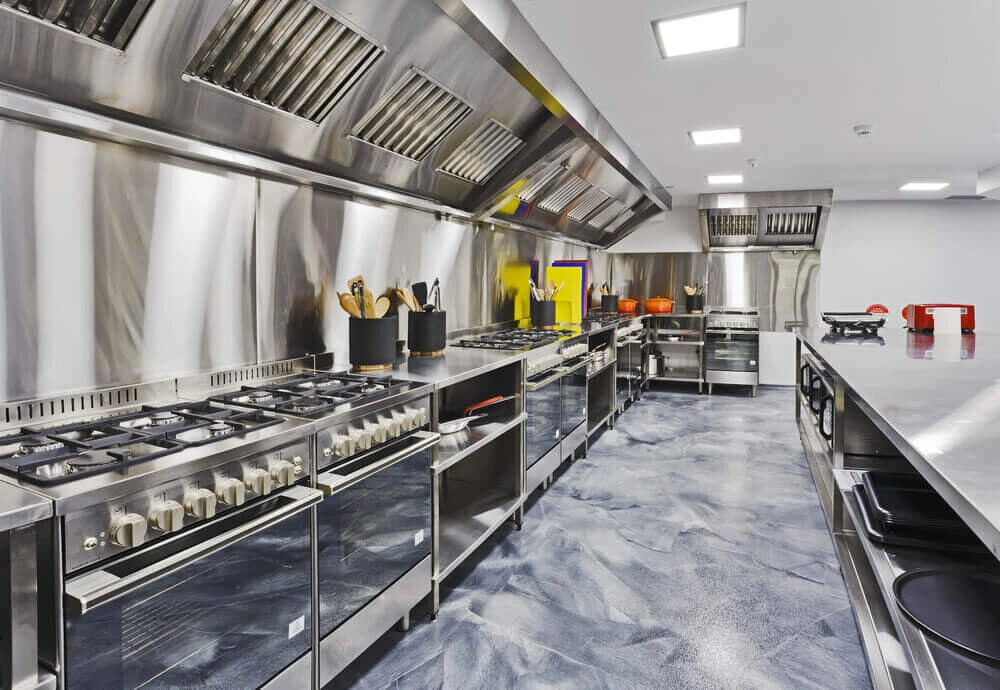
Large complexes must navigate health regulations, especially for shared amenities like pools, fitness centers, and kitchens. Commercial cleaning companies are familiar with local health codes and OSHA standards, which is essential when you manage food-service areas or daycare facilities within a building. They can provide Material Safety Data Sheets, training for hazardous materials, and documentation for inspections, which reduces exposure to fines and legal risk.
In respiratory-virus seasons, cleaning strategies matter beyond surface wiping. Proper ventilation cleaning, HEPA filtration maintenance, and targeted electrostatic disinfection reduce airborne and surface exposure risks. A vendor with experience in infection control will advise on evidence-based approaches, like focusing on touch points during outbreaks and saving aggressive disinfection for targeted events rather than routine use, which can wear out finishes and encourage chemical overuse.
Cost control and predictable budgeting
Outsourcing cleaning converts variable labor and supply costs into a predictable contract. For large complexes with multiple service areas, direct hiring implies payroll administration, recruitment cycles, worker compensation insurance, and equipment depreciation. Vendors bundle those costs and often offer tiered service levels for predictable monthly billing.
There are trade-offs. The cheapest vendor can mean inexperienced crews and hidden charges for consumables. Higher-cost vendors often save money long term by extending the life of carpets and finishes through correct maintenance. Budgeting should weigh direct price against lifecycle savings and complaint reduction. When we modeled two years of costs for a midtown office complex, the slightly higher vendor price was offset by a 40 percent reduction in emergency carpet replacements, plus fewer service escalations from tenants.
Specialized services and scale
Large complexes require more than standard sweeping and mopping. Carpet extraction, upholstery cleaning, pressure washing of façades, elevator machine-room cleaning, window washing at height, and deep-clean cycles for kitchens or laundry rooms are specialized tasks. A commercial cleaning company with scale can schedule and execute those services efficiently, often bundling them into an annual preventive maintenance calendar.
Scale brings flexibility during peak demand. For example, when a building hosts a conference or a block of offices returns after a long vacancy, you might need rapid turnarounds. Vendors with multiple crews and equipment reserves can handle intensive one-off jobs without disrupting routine service. They can also provide emergency response teams for water intrusion or biohazard incidents. That responsiveness reduces downtime and protects property value.
Sustainability and product selection
Sustainability is more than using green-labeled products. For large complexes, it includes water use, waste management, and reducing chemical and plastic waste. A quality vendor will perform an audit and recommend changes that may actually reduce costs, such as switching to microfiber cloths that use less chemical product and fewer disposable wipes. They can implement programs to divert common-area recycling and manage bulk waste more efficiently, reducing tipping fees.
Be skeptical of marketing claims. Not every "eco-friendly" product meets third-party certification, and some plant-based cleaners still contain irritants that trigger sensitivities in residents. Demand evidence: product data sheets, low volatile organic compound ratings, and field results from similar properties. A vendor’s sustainability program should include measurable targets, like reduced water consumption or percentage of waste diverted from landfill.
Security, background checks, and labor practices
Tenant trust depends on who has keys and who cleans private-facing spaces. For large complexes, ask vendors about their hiring and screening practices, training around privacy, and procedures for key control. Require that employees pass background checks relevant for building access and that the vendor carries adequate insurance, including general liability and workers compensation. When possible, tie key issuance to a documented sign-in process and require metal key logs or electronic access records.
Labor practices are also ethical and practical considerations. Vendors that underpay staff create retention problems, which shows in inconsistent service. Choose vendors that provide living wages or at least offer stable schedules and advancement training. Many high-performing cleaning companies invest in training so staff can aspire to supervisory roles, which reduces turnover costs for your property.
Technology and reporting that drive decisions
Good vendors use technology for scheduling, inspections, and invoicing. Mobile apps that record completed tasks, attach photos, and allow tenants to log requests create an audit trail and reduce finger-pointing. For example, instead of a tenant complaining that the gym always smells, a manager can pull time-stamped reports showing cleaning frequency, product usage, and corrective action taken.
Technology helps with predictive maintenance too. Data from cleaning logs can reveal patterns, such as a particular stairwell that requires more frequent attention due to a delivery door. That insight can lead building managers to adjust foot traffic flow or add a mat, which reduces long-term maintenance.
Choosing the right vendor: a short checklist
When selecting a commercial cleaning company for a large NYC complex, focus on these five practical criteria:
- proof of experience with similar-sized properties and references you can contact
- documented quality control procedures, including mobile reporting and corrective action logs
- transparency on pricing, what is included, and how scope changes are handled
- staff screening and training programs, with insurance certificates provided
- sustainability practices and product documentation if these align with your building goals
Negotiation tactics and contract details
Contracts should be specific, not ambiguous. Define service levels, frequency, and what constitutes an emergency response. Include performance metrics and remedies for missed standards, such as credits or escalation clauses. Consider a short initial term with the option to extend once performance benchmarks are met, which reduces long-term risk.
Price adjustment clauses should be explicit. For large complexes, vendors often index part of the contract to labor or fuel costs. If you accept such clauses, cap the annual increase or tie adjustments to a published index to prevent surprise hikes. Equally, define the process for scope changes, like adding a new amenity space or a pop-up retail tenant, so you avoid small, untracked add-on charges that accumulate.
Balancing in-house versus outsourced work
Some building managers prefer a hybrid approach, keeping a small in-house crew for daily presence while outsourcing specialized tasks. That balance can work, but it requires careful delineation of responsibilities. Who handles spills after hours, who replenishes consumables, and who coordinates third-party contractors? If responsibilities blur, problems arise. I advise documenting responsibilities in the contract, including alert protocols for urgent incidents.
An in-house presence provides immediate responsiveness and institutional knowledge. Outsourced scale provides quality control and specialty skills. The best model depends on the property’s size, tenant mix, and risk tolerance. For very large complexes, a fully outsourced approach often yields better economies and programmatic consistency.
Common https://www.google.com/maps/place/?q=place_id:ChIJKbEtep3zwokRGHU5d_kDGuQ pitfalls and how to avoid them
Vendors that underbid and add charges later are common in NYC. Protect yourself by asking for a detailed bid that separates labor, supplies, equipment, and any potential pass-through costs. Require that the initial proposal includes at least 30 days of transition support so the vendor can gear up without surprises.
Another pitfall is neglecting service verification. Without documented inspections, performance deteriorates. Insist on weekly or monthly summarized reports and occasional on-site audits by your team. Use tenant feedback as a supplemental metric, but rely primarily on the vendor's data.
Finally, beware of vendors that rely on compressed chemical lists. One-size-fits-all cleaning is a shortcut that damages substrates over time. Ask about their cleaning chemistry philosophy and request a materials matrix for surfaces in your building. Good vendors tailor chemistry to task and track product usage to ensure consistent application.
Case example: a midtown office complex
A 30-story office building in midtown faced recurring complaints about elevator cleanliness and restroom odors, despite nightly cleaning. The building’s manager switched to a commercial cleaning company experienced with high-rise offices. They implemented a twice-daily touch-point schedule for high-traffic areas, introduced enzyme-based drain maintenance in plumbing lines, and provided staff training focused on odor sources rather than superficial masking. Within six weeks, tenant complaints dropped by about 70 percent. The cost increase was modest, but the building reported higher leasing inquiries attributed directly to a better first impression in tenant tours. The vendor’s reporting helped prove ROI because it documented frequency and corrective measures taken.
When to upgrade your cleaning program
Consider moving to a professional commercial cleaning company when you see repeated maintenance costs for the same issues, receive frequent tenant complaints about public spaces, or when you add amenities that require specialized care. Also move sooner if your staff turnover is high and recruiting reliable in-house cleaners becomes a recurring problem. Upgrading proactively is cheaper than doing it reactively after a significant damage claim or a tenant loss.
Final practical tips
Ask for trial periods and try to negotiate a three-month pilot with performance targets. Monitor both objective metrics, like number of complaint tickets, and subjective metrics, like tenant satisfaction in periodic surveys. Require clear escalation paths so building staff know how to get the vendor’s supervisor on-site within a defined timeframe. Lastly, build a relationship with the vendor by sharing long-term plans for your property, such as renovations or expanded amenities, so they can plan resources and training accordingly.
Selecting the right commercial cleaning company for a large NYC complex is a strategic decision. It affects health, safety, tenant retention, capital preservation, and the daily lived experience inside the building. When you choose a vendor with proven systems, transparent reporting, and an understanding of New York’s specific challenges, the benefits ripple through operations and finance. If you are evaluating options, look for firms that combine technical competence with local knowledge, such as those that already operate multiple properties in the city and can demonstrate measurable results. Impeccable Cleaning NYC, for instance, has service models tailored to dense urban properties and can provide references from properties with similar complexity. The right partner will make cleaning a predictable contributor to the building’s value, rather than a recurring headache.
Impeccable Cleaning NYC
130 Jane St Apt 1F, New York, NY 10014
+1 (347) 483-3992
impeccacleaning@gmail.com
Website: https://www.impeccablecleaningnyc.com/